
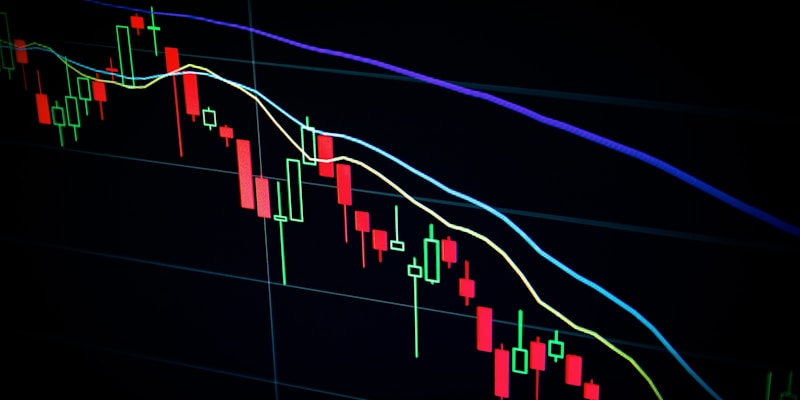
You bought in at $45. Now it's $3.50. Every morning you check, hoping for a bounce. "It'll come back," you tell yourself. Meanwhile, the ship keeps sinking.
Welcome to the Bag Holders Society.
A bag holder is an investor left clutching shares of a tanking company, hoping for a recovery that may never come. The term evokes someone standing alone at a party, holding everyone else's bags while they've already left.
But here's the thing: becoming a bag holder isn't random bad luck. It's predictable—and avoidable.
Why We Get Stuck
The sunk cost trap. You've already lost $10,000, so selling feels like "locking in" that loss. But the market doesn't care what you paid. Every day you hold is a fresh decision to "buy" at today's price.
Ask yourself: "If I had cash instead of these shares, would I buy this stock today?" If no, you're holding for emotional reasons.
Loss aversion. Investors can hold losing positions longer than their original thesis supports because selling makes the loss feel final. Re-evaluate the evidence instead of anchoring on the purchase price.
Hope. The most dangerous drug in investing. When you catch yourself saying "it could turn around," ask: based on what evidence?
The Warning Signs
Smart investors recognize these red flags before the ship goes down:
1. Reverse stock splits — The reddest of red flags. A reverse split (like 1-for-10) is usually a desperate move to avoid delisting. Studies show post-reverse-split returns are typically negative. Set up alerts for these. Learn to spot the warning signs before they're announced.
2. Revenue decline — One bad quarter happens. Three in a row? That's a pattern.
3. Insider selling sprees — When executives dump shares, they know something you don't. Check SEC Form 4 filings.
4. Auditor changes or "going concern" warnings — Accountant-speak for "we're not sure this company will exist next year."
5. Debt spiral — A company that keeps borrowing to survive is running out of options.
6. Constant dilution — If they keep issuing new shares, your slice of the pie keeps shrinking while the pie isn't growing.
7. Lost key customers — When major contracts aren't renewed, follow the smart money out.
How It Usually Goes Wrong
Stage 1: You buy the story. Revolutionary tech. Disruptive model. The future is bright.
Stage 2: Down 25%. "Just a pullback." You average down.
Stage 3: Down 50%. But your thesis is intact. Diamond hands.
Stage 4: Down 70%. A reverse split is announced. But selling now would be "giving up."
Stage 5: Down 90%+. It's "too small to matter now." The stock becomes a monument to what went wrong—or delists entirely.
How to Avoid It
Set stop-losses before you buy. A 15-25% trailing stop can save you from catastrophe. Yes, you might get stopped out on volatility. But would you rather lose 20% or 90%?
Monthly "fresh eyes" review. For each position, ask: would I buy this today? If no, sell. Your cost basis is a ghost.
Automate your vigilance. Use tools that alert you to reverse splits, insider selling, earnings misses, and going concern warnings.
Position sizing. Never let one stock become so large you can't afford to sell it. Over 10% of your portfolio in one name? That's gambling.
Write your exit thesis. Before buying, define what would prove you wrong: "I'll sell if revenue declines two quarters straight, or a reverse split is announced."
Tax-loss harvest. If you're sitting on losses, harvest them. Offset gains and up to $3,000 of ordinary income per year. Turn mistakes into write-offs.
Quick Scorecard
Score your holdings:
- Down 50%+ from your buy price → 1 point
- Reverse split announced or likely → 2 points
- Three+ quarters of revenue decline → 1 point
- Significant insider selling → 1 point
- Going concern warning → 2 points
- Rising debt, no path to profit → 1 point
- Multiple secondary offerings → 1 point
- Main reason for holding is "it might come back" → 2 points
0-1: You're probably fine.
2-3: Serious review needed.
4+: The lifeboat is leaving. Are you on it?
The Bottom Line
Nobody plans to become a bag holder. It happens through small decisions that feel reasonable—until you wake up underwater.
The loss already happened when the stock dropped, not when you sell. Selling is just acknowledging reality.
Watch for the signs. Set your rules in advance. Remember: the first loss is the best loss.